 jakiro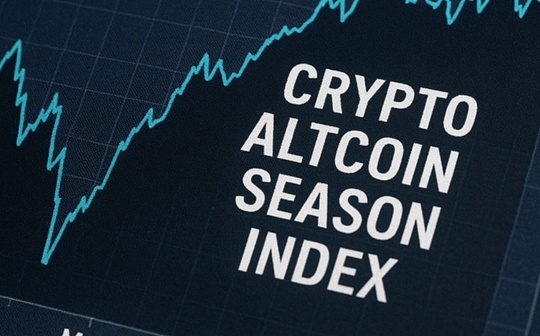
In the past year, cryptocurrency and the U.S. stock market have shown a sharp contrast. The S&P 500 and Nasdaq 100 indexes have experienced cumulative gains of 47% and 49% in the past two years, respectively, while the Altcoin index has fallen deeply into decline.The crypto market is ushering in a structural shift in the concentration of capital towards high-quality assets.
The S&P 500 will rise by 25% and 17.5% respectively in 2024 and 2025. The Nasdaq 100 will rise by 25.9% and 18.1% in the same period, and the maximum retracement is only about 15%.
Looking back at the copycat market,The CoinDesk 80 Index (which tracks 80 cryptoassets outside the top 20) plummeted 46.4% in the first quarter of 2025 and was down 38% year-to-date as of mid-July.
The MarketVector Digital Asset 100 Small Cap Index fell to its lowest point since November 2020 at the end of 2025, and the total crypto market value evaporated by more than US$1 trillion.
The core of this contrast is “the return imbalance under high correlation.”The correlation between the CoinDesk 5 index (which tracks mainstream currencies such as Bitcoin) and CoinDesk 80 is as high as 0.9. The trends are in sync but the returns are very different. The former rose by 12%-13% during the same period, while the latter fell by nearly 40%.
The gap in risk-adjusted returns is even wider.The volatility of the Altcoin index is comparable to or even higher than that of the U.S. stock market, but it has recorded substantial negative returns and a negative Sharpe ratio; while the Sharpe ratio of the U.S. stock index continues to be positive.
In the past five years, the MarketVector small-cap crypto index has returned -8%, while the large-cap crypto index has increased by 380% during the same period. Institutional funds clearly voted with their feet.
Kaiko data shows that although Altcoin trading volume has rebounded to 2021 levels, 64% is concentrated in the top 10 Altcoins, and “institutional-grade” assets with regulatory clarity such as Solana and XRP have become a few winners.
Funds have not left the crypto market, but have flowed upward along the quality curve. Bitcoin and Ethereum spot ETFs continue to attract institutional admissions.
For investors, the current diversified allocation of Altcoin has lost its meaning.The correlation between CoinDesk 5 and CoinDesk 80 is nearly 0.9, which means that holding Altcoin cannot gain diversification benefits, but it will bear additional risks.
The sharp drop in the “Altcoin Season” index from 88 to 16 at the end of 2024 further confirms its tactical trading attributes rather than long-term asset allocation.
The current market logic has completely changed:Capital no longer favors niche Altcoins, but focuses on high-quality targets with clear regulations and sufficient liquidity.
Bitcoin and Ethereum have gained institutional recognition through ETFs, while U.S. stocks have attracted funds with stable returns. Together, they have squeezed the living space of inferior Altcoins.