
 jakiro
Author: Bradley Peak, Source: Cointelegraph, Compiler: Shaw Bitcoin Vision
Key takeaways
-
Strategy is the company with the largest holdings of Bitcoin, with approximately 650,000 Bitcoins on its balance sheet.
-
The company’s business model is to raise capital and convert it into Bitcoin while keeping its market cap to net asset value ratio (mNAV) above 1.
-
Strategy CEO Phong Le said selling Bitcoin would be a “last resort” and would only be considered if mNAV falls below 1 and new funds cannot be obtained.
-
Even if Strategy chooses to sell some of its Bitcoin holdings, Bitcoin’s daily trading volume reaches tens of billions of dollars, and any sales are likely to be targeted rather than a complete exit.
Strategy (formerly MicroStrategy) has spent the past five years building itself into what it calls “the world’s first and largest Bitcoin treasury reserve company.”
As of early December 2025, the company held nearly 650,000 Bitcoins, accounting for more than 3% of the 21 million Bitcoin supply and by far the largest number of Bitcoins held by a listed company.
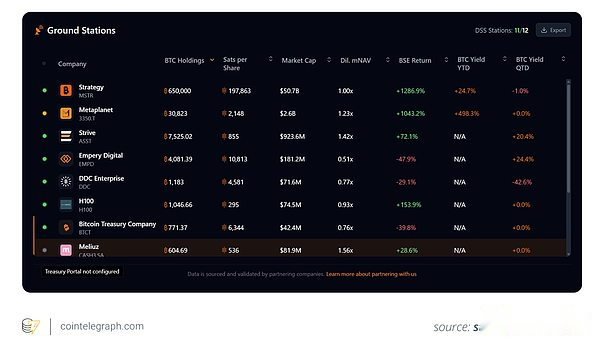
For many traditional investors, Strategy shares have become a leveraged alternative to Bitcoin.Rather than buying Bitcoin directly, they choose to buy shares of the company as it raises funds and converts them into Bitcoin.
The current controversy stems from recent remarks by the company’s CEO Phong Le, who stated that selling Bitcoin would be possible under very specific conditions.Media reports tend to focus on the word “sell,” but the company interpreted this as a risk management measure in response to extreme stress rather than a shift in its long-term Bitcoin investment philosophy.
This article explores how the scheme works and what might trigger a sale, helping readers interpret future information without panic or FOMO.It is for reference only and does not constitute investment advice.
How Strategy’s Bitcoin Engine Works
From a day-to-day operations perspective, Strategy runs a relatively simple cycle financially.The company:
-
Funding is raised in traditional markets through common stock ATM issuance programs, multiple series of perpetual preferred stock (such as STRK and STRF), and occasional convertible debt issuances.
-
The company spends most of its funds buying more Bitcoin, which it considers its primary reserve asset.
-
Track a range of metrics to determine whether the practice is sustainable and generating returns for shareholders.
Two of these metrics are crucial here:
-
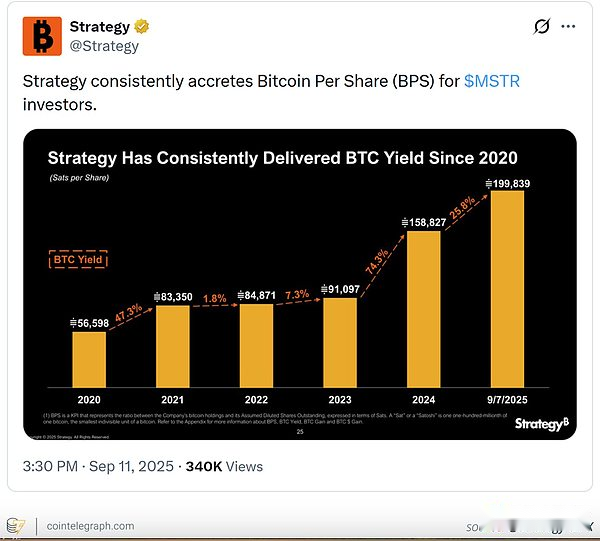
Bitcoin value per share (BPS): Refers to the actual number of Bitcoins behind each fully diluted share.Strategy publishes this as a key performance indicator.
-
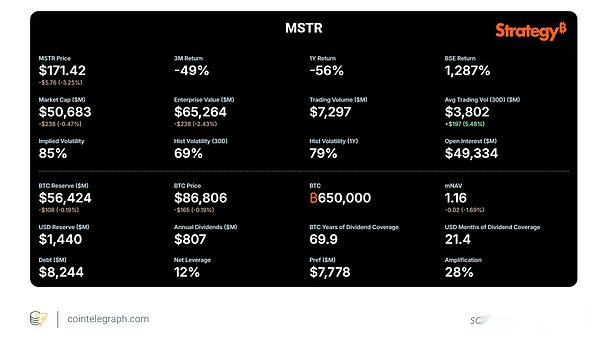
Market Capitalization to Net Asset Value (mNAV): The ratio of Strategy’s total market value to the market value of its Bitcoin holdings.If mNAV is greater than 1, the stock is trading at a premium relative to its Bitcoin holdings.
When a company’s share price premium is high, it can issue new common or preferred shares with less dilution and continue to grow its Bitcoin reserves.Management said they are still pursuing the basic model, where Strategy raises money at a premium, buys more Bitcoin and increases the value of each Bitcoin.
“Last Resort” Sales Trigger Mechanism
New is an emergency stop switch explicitly set for this mode.
In a recent interview, Strategy CEO Phong Le explained that Strategy will only consider selling some Bitcoin if two conditions are met at the same time:
-
mNAV falls below 1, which means the company’s market capitalization falls to or below the value of its Bitcoin holdings.
-
Access to new funding dries up.For example, if an investor is no longer willing to purchase its common stock or preferred stock on reasonable terms.
He described selling Bitcoin in this situation as a “last resort” instrument option to meet obligations such as preferred stock dividends, rather than a long-term plan to sell reserves.
In short:
If the stock trades at or below the value of Bitcoin, and the company is unable to refinance, then selling a portion of the Bitcoin becomes the least bad way to protect the overall structure.
What factors can really push Strategy towards this route?
There are several key factors that need to be met before considering enabling a Last Resort.
Macroeconomics and Bitcoin Price
Bitcoin prices have fallen sharply from an all-time high of nearly $126,000 in October to $90,000, a drop of about 30%.A deeper or more prolonged decline would compress the value of Strategy’s Bitcoin holdings and also put pressure on its stock price.
Stock Performance and mNAV
Strategy’s market cap premium to its Bitcoin has narrowed after shares fell 30%-60% from early highs.In mid-November, the company’s share price briefly touched or even fell below the spot value of its holdings, indicating that its mNAV was close to 1.
Funding status
The business relies on the ability to issue new shares and perpetual preferred shares through the existing registration system, as well as financing through the ATM issuance program.If activity in these issuances slows down significantly, or investors demand higher yields, that would signal stress on funding.
internal obligations
Strategy needs to pay hundreds of millions of dollars in preferred stock dividends and repay debt every year.Analysts estimate preferred stock dividend payouts run into hundreds of millions of dollars annually.Management still calls itself a long-term Bitcoin accumulator, and the above situation describes an extremely severe stress environment.
What Strategy’s Bitcoin sale means for the market
Given that Strategy holds 650,000 Bitcoins, its shift from “never sell” to “may sell under pressure” will naturally attract the attention of traders.
But context is important:
-
Market size: The daily trading volume of Bitcoin spot and derivatives often reaches tens of billions of dollars.Meanwhile, U.S. spot Bitcoin exchange-traded funds (ETFs) have also seen billions of dollars in single-day inflows and outflows.Even if Strategy sold a small amount of its Bitcoin holdings, it would be entering a large and highly liquid market.
-
Possible scale and speed: According to Phong Le’s personal remarks, any sales under stress scenarios would be targeted and partial, aimed at fulfilling obligations or maintaining capital structure, rather than exiting Bitcoin.
-
Price in advance: The market usually factors in these possibilities as soon as they are disclosed.The recent pullbacks in Bitcoin and Strategy stock, as well as the debate surrounding mNAV, are examples of this process.
It’s worth noting that a conditional last-resort sales framework is not the same thing as announcing an impending large-scale sale of Bitcoin.
How to track Strategy’s next move
For readers who want to track events but don’t want to react to every news headline or internet buzz, here are a few observable indicators that can help provide a clearer picture:
-
U.S. Securities and Exchange Commission (SEC) filings, such as Form 8-K and prospectus supplement, reveal new funding and the latest data on Bitcoin holdings.
-
Strategy’s press release and its “Bitcoin Buys” page summarize recent purchases and total holdings.
-
Social media activity often reflects sentiment rather than data.“Green dot” posts, laser eye memes and doomsday rhetoric may help us understand sentiment, but any claims of forced selling or bankruptcies should be checked against relevant documents and data.