 jakiro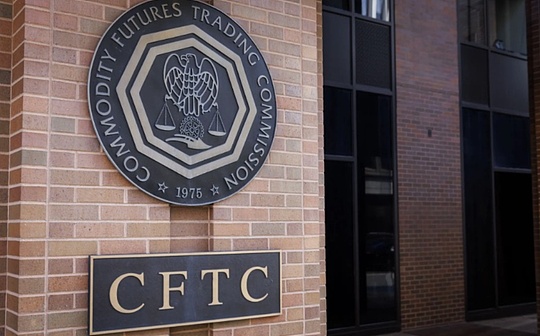
Author: Jack Inabinet, Senior Analyst at Bankless; Translation: @bitchainvisionxz
The institutional era of cryptocurrency is taking shape at an unprecedented pace—The latest guidance document released by the U.S. Commodity Futures Trading Commission (CFTC) is a landmark foreshadowing how the agency will shape the future direction of the industry..
Last week, the derivatives regulator announced it would allow registered futures exchanges to conduct spot cryptocurrency trading.Just yesterday, the agency approved a three-month pilot program authorizing registered exchanges to use Bitcoin, Ethereum or USDC as trading collateral.
Today, we will delve into the recent regulatory trends of the U.S. Commodity Futures Trading Commission and Securities and Exchange Commission, and analyze the true meaning of “regulatory clarity” for the future development of the industry.
1, From severe crackdowns to clear supervision
The cryptocurrency industry is no stranger to regulatory action.
Over the past few years, much of the regulation has taken the form of enforcement actions, with regulators suing crypto companies alleging their products violate federal law.Recently, they are more often presented in the form of “no-action letters”, that is, regulatory agencies promise not to take enforcement measures temporarily when the company operates within a limited range.
The industry has long called for constructive regulatory clarity that would truly expand the space for cryptocurrency access.Now, the U.S. Commodity Futures Trading Commission appears to be making good on that promise with two latest announcements.
Access to digital assets, from volatile cryptocurrencies to markets for tokenized physical assets, improves as more traditional financial exchanges introduce spot markets for cryptocurrencies.Likewise, as more exchanges begin to accept digital assets as collateral, the use case scenarios for digital assets also expand.
By approving the integration of crypto infrastructure with registered exchanges, the CFTC essentially increases the practical value of blockchain-based assets.

2, regulatory roadmap
In addition to the two recent initiatives by the U.S. Commodity Futures Trading Commission mentioned above,U.S. financial regulators are pushing for sweeping cryptocurrency regulatory reform, the U.S. Securities and Exchange Commission (SEC) is also seeking to issue market structure guidance for cryptocurrency builders.
Two major regulators are working together to implement President Trump’s cryptocurrency agenda—The U.S. Commodity Futures Trading Commission is carrying out the “Encryption Sprint” operation, while the U.S. Securities and Exchange Commission is focusing on promoting the implementation of “encryption projects.”
While the specifics of implementation are currently unclear, we do know that President Trump’s agenda calls for, among other things:The U.S. Commodity Futures Trading Commission received “clear authority to regulate the spot market for non-securities digital assets” and also tasked the U.S. Securities and Exchange Commission to develop clear guidance on the interaction between securities laws and digital assets.
In the next few years, the U.S. Commodity Futures Trading Commission and the U.S. Securities and Exchange Commission are expected to complete the formulation of rules related to digital asset transactions, clearing the way for approved digital assets to achieve barrier-free circulation in the U.S. capital market.
At the same time,As banking institutions receive clear guidance from regulators (such as the Federal Reserve, the Federal Deposit Insurance Corporation, and the Office of the Comptroller of the Currency), digital assets will increasingly be integrated into the traditional financial system; and law enforcement agencies (particularly the Treasury Department and the Internal Revenue Service) will institutionalize their authority to enforce U.S. laws and regulations in the blockchain field..

3, supervision or crossing the line?
After enduring harsh treatment from Biden-era regulators, the cryptocurrency industry has warmly welcomed a shift in bottom-up guidance from Trump-era regulators.However, the risk that regulators may overstep their bounds in the fight for digital asset supervision remains a real concern for the industry.
For example, the U.S. Commodity Futures Trading Commission was established to regulate the commodity futures market, not the commodity spot market.With its new authority over cryptocurrency spot markets, the agency will ultimately decide which cryptocurrencies meet the definition of a digital asset commodity — a previously undelegated authority that comes disturbingly close to regulatory overreach.
If this trend continues, the Trump administration may successfully integrate blockchain technology into the financial system.But achieving this agenda may also come with the risk of establishing comprehensive financial controls and expanding the scope of regulatory oversight.
Cryptocurrency is undoubtedly entering the era of institutionalization.Regulated trading platforms are opening their doors to digital assets, banking institutions are preparing to integrate crypto infrastructure, and federal departments are drafting long-awaited digital asset rules.
However, the reality that regulators must make decisions reveals a deeper truth:Once the regulatory framework is embedded in law, any attempt to fail to comply will once again become an explicit target for enforcement action.